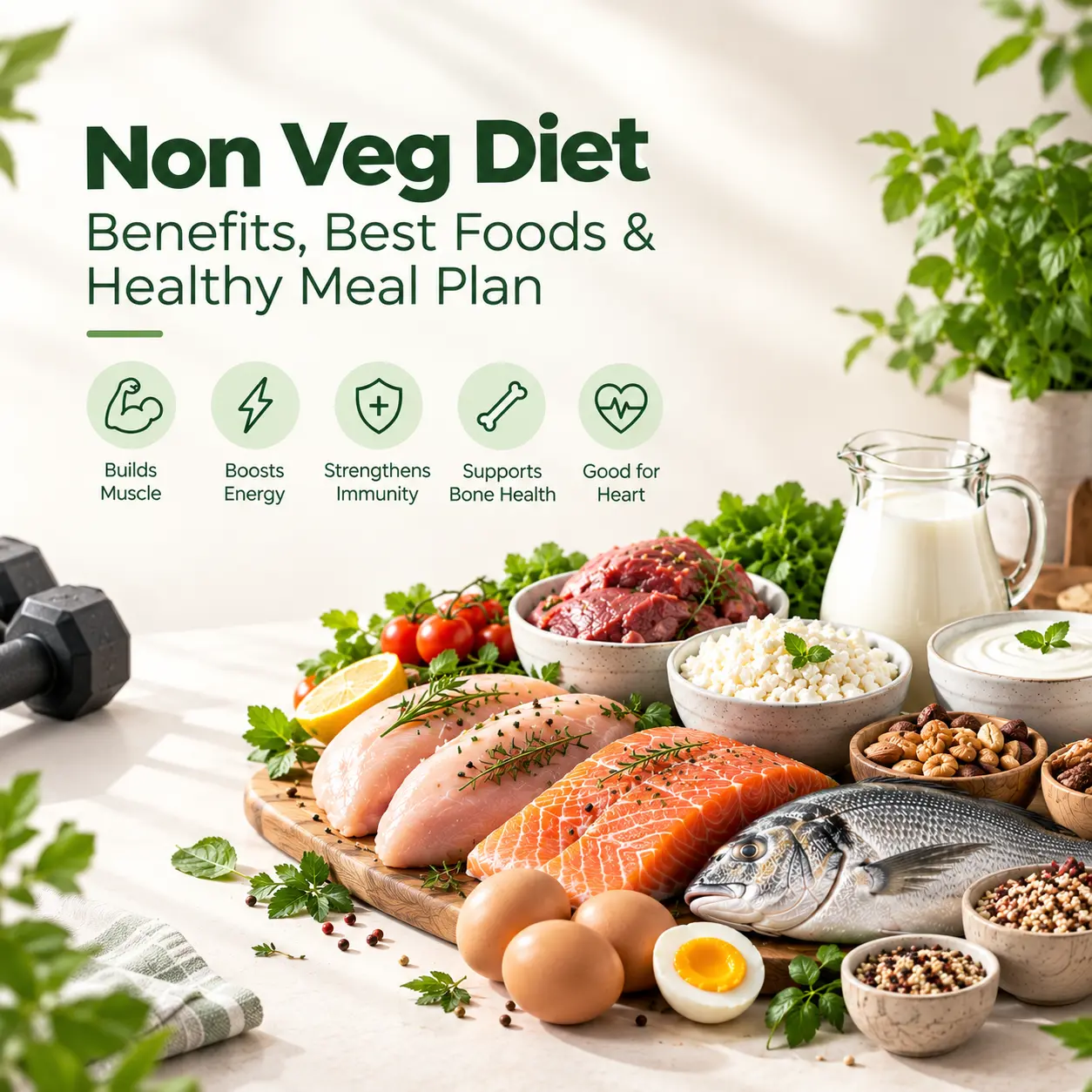
Eating is really important for how you feel. People who eat non veg every day this is how they get the nutrients and protein they need to stay healthy. A balanced diet gives you protein important vitamins and minerals that help you to stay healthy. When you eat animal-based foods, you get all these good nutrients that help you to stay healthy. Eating non veg as part of a diet is a good way to take care of your body and stay healthy.
A planned diet can help you recover from exercise, boost your immunity and stay healthy for a time. Whether you want to get fit or manage your weight, food choices matter.
What Is a Non Veg Diet?
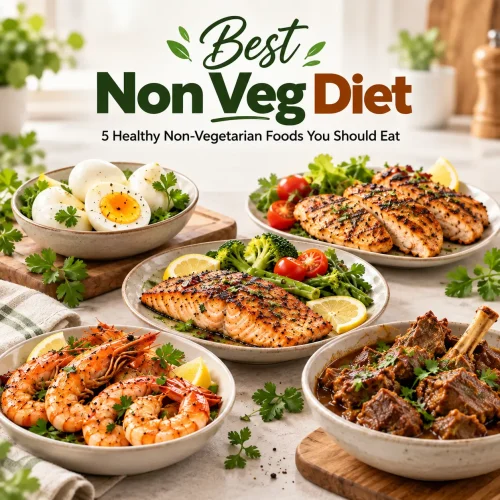
A non veg diet includes foods from animals. These foods are chicken, fish, eggs and meat. Animal-based foods have nutrients and amino acids. It’s hard to get these from plant-based foods.
A healthy eating plan is about choosing protein sources and other ingredients and eating the right amounts of non veg foods. You should combine protein sources with vegetables, whole grains and healthy fats to get nutrition.
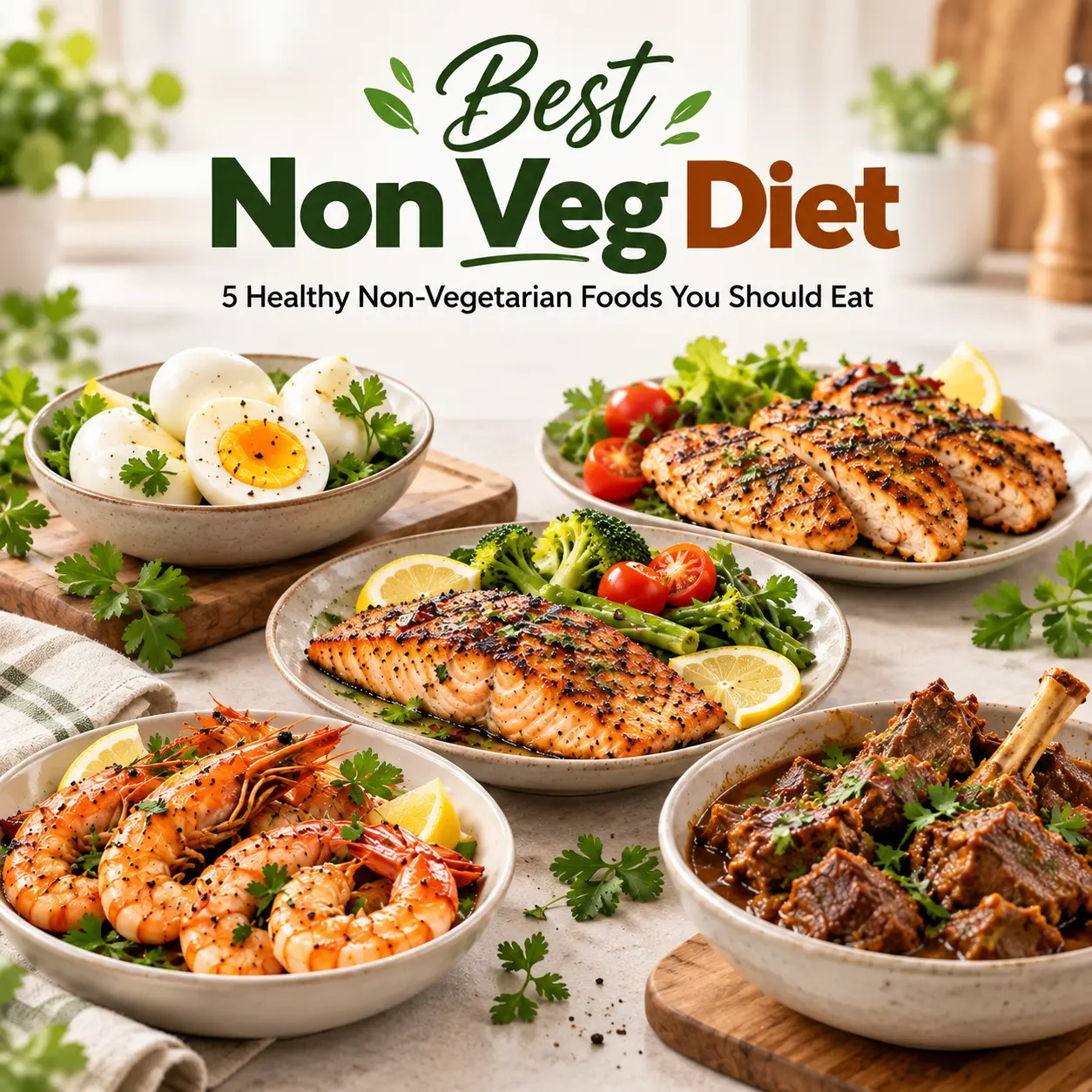
Some examples of non veg foods include:
- Breast of chicken
- Fishes like salmon and tuna
- Eggs
- Mutton
- Seafoods including prawns and crabs
Intake of good quality proteins daily will keep you strong and active to carry out different tasks.
Advantages of a Non-Veg Diet
A non vegetarian diet provides health benefits to individuals of all ages.
One of the nutrients provided by animal-based foods is protein, which helps in building up the body’s muscles. Such animal-based foods provide all the amino acids needed by the body.
The intake of protein will help in building up muscle tissues, recovering from workouts, maintaining skin and hair and keeping the bone structure in good condition.
Animal-based products also contain other nutrients like Vitamin B12 to take care of the functioning of the brain and nerves, iron to form hemoglobin, zinc to keep the immune system healthy, fatty acids to maintain the heart and Vitamin D for good bones.
These nutrients play a vital role for active people as well as growing kids.
A well-balanced diet also enables you to remain active through the day due to the intake of protein and healthy fats.
Non Vegetarian Foods To Choose For Your Daily Diet
Not all non vegetarian foods provide nutrition. Some non veg foods are more nutritious when compared to others.
Chicken
Chicken is an excellent choice to provide you with lots of protein. The presence of less amount of fat makes it a healthy food.
The pros of choosing chicken for your daily consumption include:
- It is easier to digest
- Improvement in muscle building
- It is easily available
- Suitable for protein intake
Fishes and Seafood
Fish and seafood are also nutritious. They are rich in omega 3 which benefits your heart and brain.
There are various types of fish including:
- Salmon
- Sardines
- Tuna
- Mackerel
Eating fish twice a week will keep you fit and healthy.
Eggs
Eggs are the best source of protein. The proteins and healthy fats contained in eggs provide you with better health.
Eggs are best for your breakfast as well as for post exercise snacks.
Lean Red Meats
Lean meats can also form a part of your non veg foods. They are good sources of iron and Vitamin B12.
Go for mutton and beef with low fat content.
Non Veg Diet for Muscle Building
A protein-rich diet is highly effective when it comes to muscle building. Proteins play an important role in rebuilding muscles after exercise.
Protein consumption helps one build their muscles. A well-planned nutritional plan is likely to provide one with amino acids which is essential for muscle development.
Some sources of protein for muscle building are as follows:
- Chicken breasts
- Eggs
- Fishes
- Greek Yoghurt
- Lean meat
It is necessary for one to consume these foods on a daily basis in order to achieve desired results.
Example of Meal Plan:
In Breakfast
Boiled eggs, brown bread, milk or yogurt
In Lunch
Grilled Chicken, Rice and Vegetable
In Snack
Egg sandwich or tuna salad
In Dinner
Fish curry, Quinoa or chapati salad
Non Veg Diet for Muscle Gain
A healthy high-protein meal plan can really help you build muscles. Eating protein helps in fixing and growing your muscles after you work out.
To build muscles you need to eat protein. A balanced diet gives you the amino acids you need to build muscle.
Some foods that help you build muscle are:
- Chicken breast
- Eggs
- Fish
- Greek yoghurt
- Lean meat
You need to eat these foods every day to see results.
Weight Management in Adults
If an adult is looking to maintain their weight, they could opt for this meal schedule because high-protein food may help them satisfy their appetite.
The senior generation may benefit from balanced nutrition because it will aid in keeping muscle strength and maintaining proper bone structure at an older age.
Conclusion
Balanced animal-based foods can be considered as one of the solutions that could assist in improving your dietary habits supporting your physical condition and overall health. It can be done by selecting various products controlling portions of your dishes, mixing vegetables, grains and protein foods in your menu.
No matter whether you have selected food because of muscle development, improving your condition or just introducing some meals into your everyday routine, good diet decisions can put important effect on your health and lifestyle.
Frequently Asked Questions (FAQs)
Yes, fresh and properly cooked non veg can be safe to eat every day. Choose meats, avoid fried items and maintain good food hygiene.
Always store meat at temperatures wash your hands and utensils after handling raw meat and cook food thoroughly to recommended internal temperatures.
Yes a balanced non veg diet for muscle gain provides proteins that support muscle repair and growth especially when combined with exercise.
Chicken, eggs and fish are often the options to include in a balanced meal plan.
Yes a structured diet with proteins and controlled portions can help increase metabolism and reduce calorie intake.